
IPO guidance on new non‑agricultural GI scheme
Protecting craft and industrial products across Europe
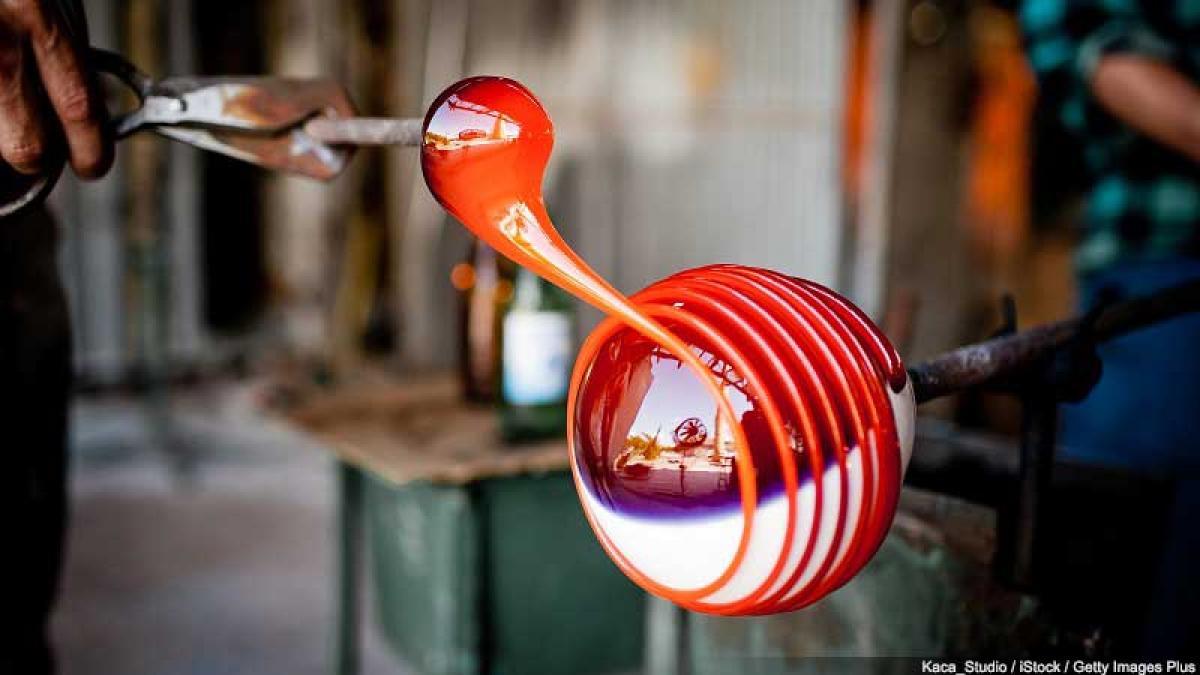
The Intellectual Property Office (IPO) has published guidance for Northern Ireland businesses on the new non-agricultural geographical indications (NAGIs) scheme. The scheme applies to craft and industrial products, such as traditional textiles, ceramics or glassware.
To qualify for protection under the new NAGI scheme, products must have:
- a strong connection to their geographical origin (place, region or country)
- at least one stage of production carried out in that specified area
The protected name is not exclusive to one business. Anyone can use the protected geographical indication so long as production meets the required specifications.
What are geographical indications (GIs)
GIs are intellectual property rights that link a product's qualities, reputation, or features to its place of origin. GI protection has a long history of application in food and drink production, but the extension of such protection to non-agricultural goods comes from a new European Union scheme created under EU Regulation (EU) 2023/2411.
What this means for businesses in Northern Ireland
The IPO will process applications to the new EU scheme, which will apply in Northern Ireland under the Windsor Framework. This means that, once the scheme becomes operational, NI producers will be able to register the names of their craft and industrial products with the IPO for EU-wide protection.
Producers in Great Britain (England, Scotland and Wales) wanting to protect their NAGIs under the EU scheme will need to apply directly to the EU Intellectual Property Office.
The IPO will update its non-agricultural geographical indications guidance once it is ready to accept applications from NI producers.
It is important to note that this new scheme does not affect existing EU or UK geographical indication schemes for agricultural products, food or drink. Businesses can also continue to apply to register a UK trade mark to protect product names across the UK.
First published 3 December 2025